
Any colour you like
Painted rather than pre-coloured, so you're not limited to a manufacturer's range — and you can change the colour later without touching the render.
Hand-applied sand and cement rendering, floated flat for a clean, timeless finish. The right choice for period properties, patch repairs and anywhere the elevation is going to be painted.
Free site visit · no obligationWe reply within one working day
Traditional render is sand, cement and lime mixed on site and applied in coats. A scratch coat goes on first and is keyed to give the next coat something to grip, then a float coat brings the wall flat and true. The final surface is worked with a float and sponge to a smooth, even finish, then decorated with a breathable masonry paint once it has fully dried out.
It is the oldest method we offer and still the most versatile. Because it is mixed on site rather than supplied as a proprietary system, it can be tailored to the wall it is going on — a softer, more lime-rich mix for older solid-wall properties, a stronger mix where the substrate calls for it.
That flexibility is exactly why it remains the sensible option for period and heritage properties, and for repair work where new render has to marry into a large existing elevation without the join announcing itself.
A properly floated flat wall is unforgiving of shortcuts — there is nowhere for a wave or a hollow to hide once the light rakes across it. It is a finish that rewards taking the time to get the float coat right.
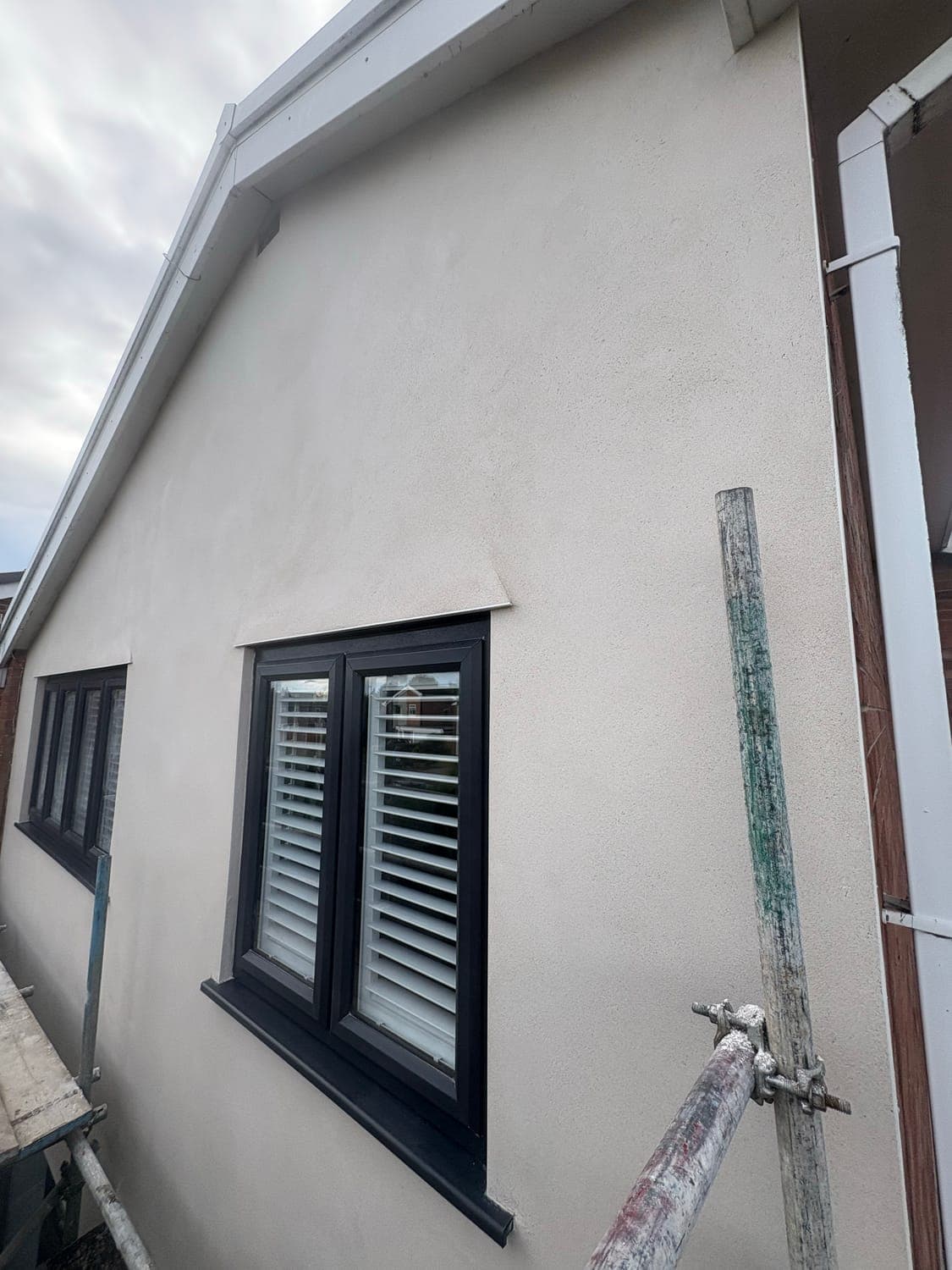
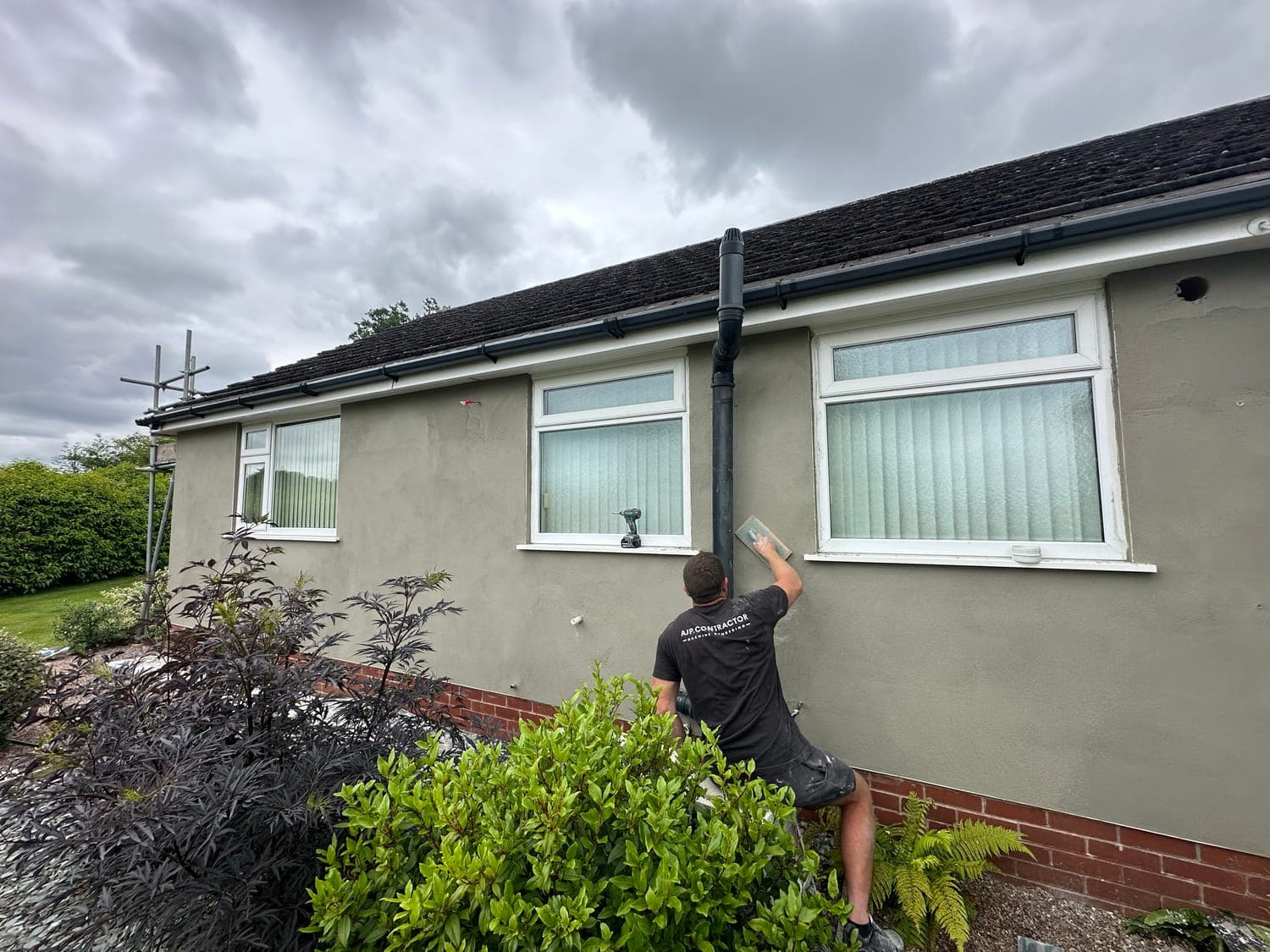
Painted rather than pre-coloured, so you're not limited to a manufacturer's range — and you can change the colour later without touching the render.
The mix can be adjusted to suit older, softer solid-wall construction rather than forcing a modern system onto it.
New work can be blended into an existing rendered elevation far more convincingly than with a proprietary thin-coat system.
Floated and sponged by hand to a true, level surface — the crisp, understated look you can't get from a textured render.
Usually the most economical of the three systems in material terms, particularly across larger areas.
A well-understood method with a long track record, and straightforward to repair locally in years to come.
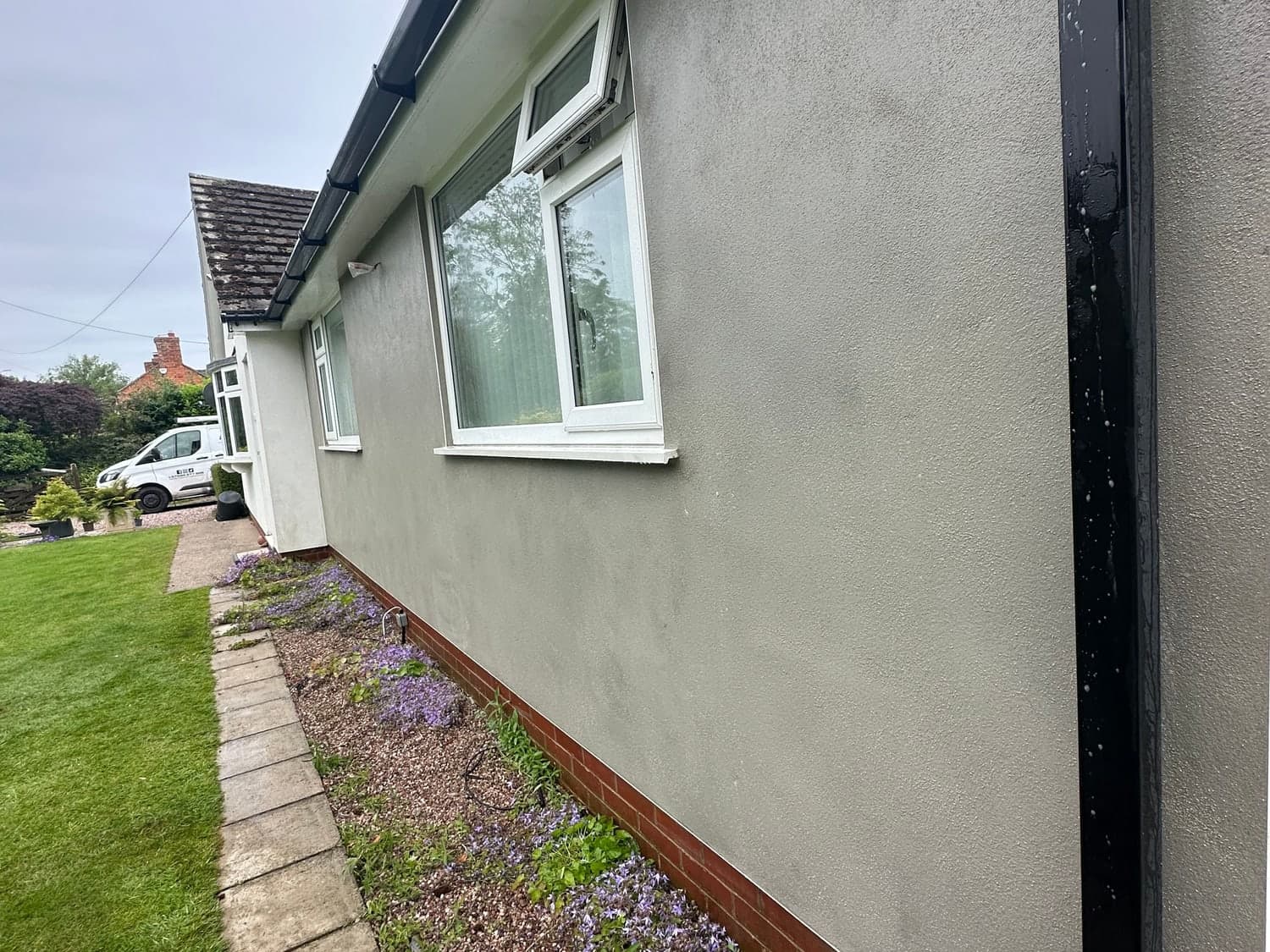
The same four stages on every job, so you always know what happens next and when.
We assess the substrate and the condition of any existing render, agree the specification and issue a detailed written quotation.
Scaffold up, loose and blown material hacked off, the wall cleaned down and dampened as needed, then beads set out.
The scratch coat is applied and keyed, then left to cure before the float coat brings the elevation flat, plumb and true.
The final coat is floated and sponged to a smooth finish, beads cleaned off, and the site left tidy. We'll advise when it's ready to paint.
What we quote, and what we install. If anything here needs adapting to your property, we'll set that out in writing before we start.
Rated 9.94/10 from 55 verified Checkatrade reviews. These are the ones about this kind of work, copied across word for word.
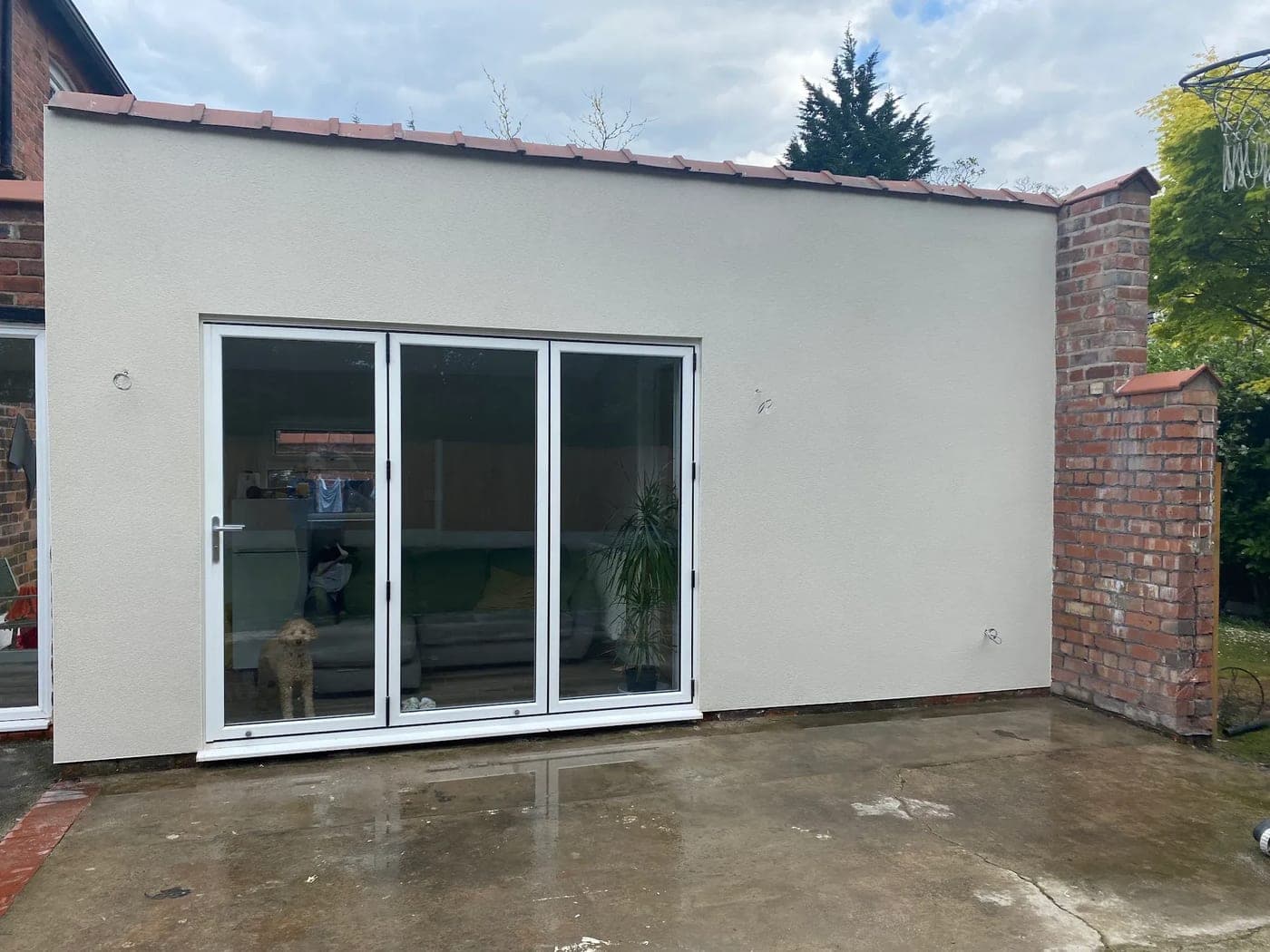
“Brilliant service from start to finish. Professional , quick and tidy. I've had a lot of render and plastering done in my house and this is by far the neatest and best finish . Team were polite and friendly would highly recommend”
“Adam and the guys turned up when they said they would, did the job they'd promised to do, cleaned up leaving everywhere tidy. Job done. Everyone was very lovely too…”
“AJP contractors were brilliant , came to quote last week and managed to fit the job in this week after the bank holiday. Service was efficient and professional. Finish is high quality and very neat much better than other work I've had before. AJP team were polite and friendly, cleaned up with no mess left. Would highly recommend and use again”
The questions we're asked most often — answered straight, including where the honest answer is 'it depends'.
Allow a minimum of three to four weeks, and longer in cold or damp weather. The render needs to have dried out and carbonated properly. Painting too early traps moisture behind the paint film and is one of the most common reasons render paint fails early — it's worth the wait.
Traditional render is less flexible than a mesh-reinforced thin-coat system, so it is more susceptible to fine cracking where a building moves. Correct mix design, proper beading and mesh at vulnerable points make a considerable difference. Where a property is known to move, we'd generally recommend a silicone system instead.
Often, yes. If the majority of the render is sound and well bonded, hacking off the failed areas and making good is usually the more sensible option. We'll tap the elevation through when we survey and tell you honestly how much of it is holding on — sometimes the answer is that a full re-render is the better value job.
A breathable, vapour-permeable masonry paint. Standard non-breathable paints seal the surface and can trap moisture in the wall, which leads to blowing and flaking later. We'll specify a suitable product as part of the quotation.
The materials are usually cheaper, but it is more labour-intensive and takes longer on site because each coat has to cure. Once painting is factored in, the overall figures are often closer than people expect. We'll quote whichever systems you'd like to compare so you can see the difference rather than guess at it.
Yes, and it's a common request — particularly where a wall is being rebuilt at the same time as the house is rendered. Since we do the brickwork as well, both parts of that job can be handled by the same team.
We carry out smooth render work throughout Cheshire, South Manchester, the Wirral, Liverpool, Wigan, Chester and North Wales — including:
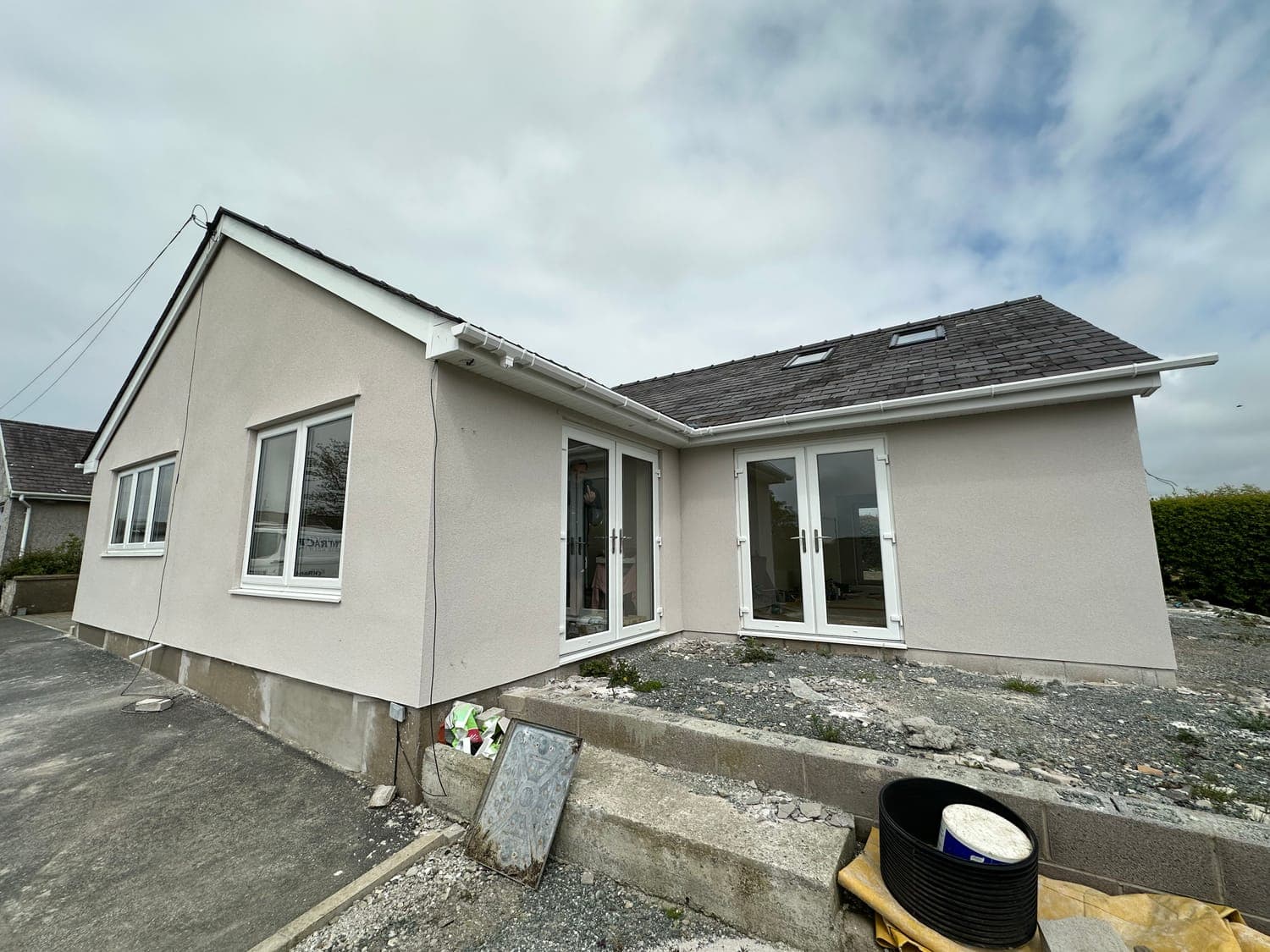
A flexible, water-repellent thin-coat system that keeps its colour and stays cleaner for longer. Our most popular finish for re-rendering existing homes across Cheshire and South Manchester.
Read more →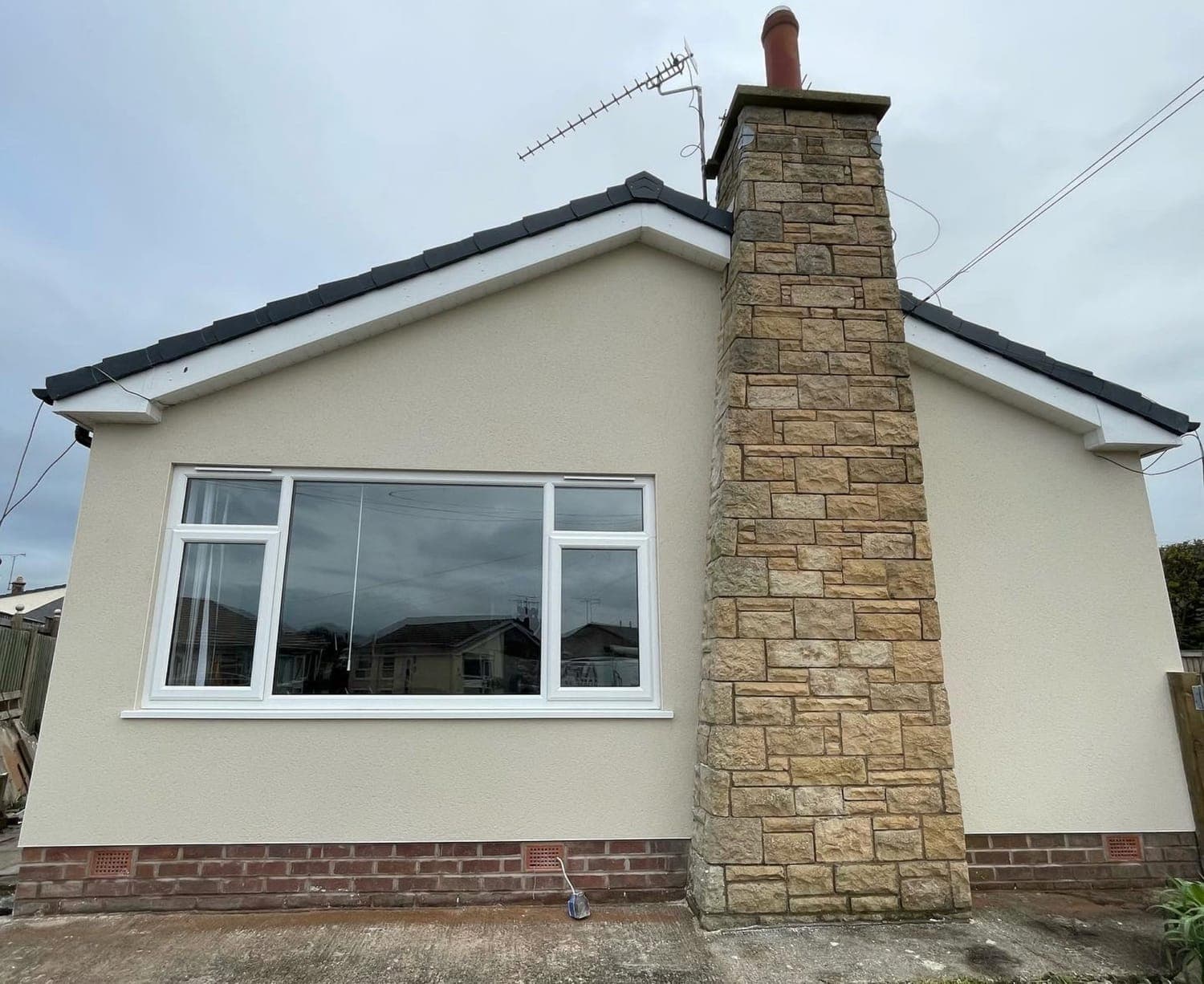
A through-coloured, one-coat cement render with a hand-scraped finish. Hard-wearing, self-coloured and the system we most often recommend for new builds, extensions and self-build projects.
Read more →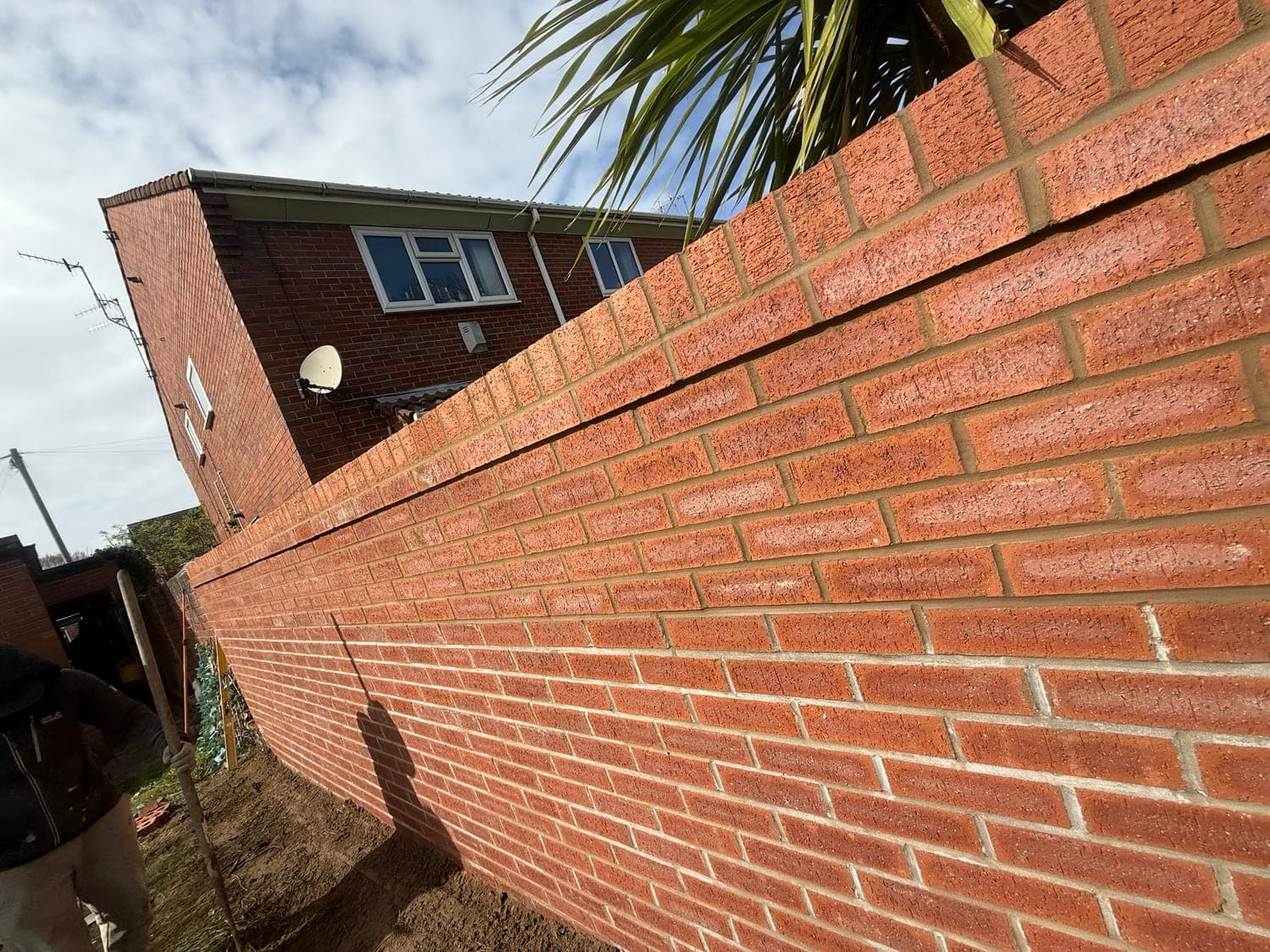
Boundary walls, garden and retaining walls, brick entrance pillars and extension brick and blockwork — built on proper foundations and finished with the pointing and detailing that make the difference.
Read more →Send us a few details and any photos you have of the property. We'll come back to you with honest advice on the right system and a detailed written quotation.
Free site visit · no obligationWe reply within one working day