
Coloured all the way through
No paint film to flake, fade or need redoing. A knock shows the same colour underneath rather than a bare patch.
A through-coloured, one-coat cement render with a hand-scraped finish. Hard-wearing, self-coloured and the system we most often recommend for new builds, extensions and self-build projects.
Free site visit · no obligationWe reply within one working day
Monocouche means "single layer". It is a factory-blended, through-coloured cement render applied in one application — in practice two passes on the same day building up to around 15–20mm — rather than the separate scratch, float and finish coats of a traditional render.
Once it has set to the right firmness, usually the following day, the surface is scraped back by hand with a scratching tool. That removes the outer skin and exposes an even, fine-grained texture beneath. The timing of the scrape is where the skill sits: too early and it tears, too late and it fights you. It is genuinely a matter of judgement and experience.
Because the pigment is mixed through the whole thickness rather than sitting on top, the colour doesn't wear off. Chips and scuffs show the same colour underneath. There is no paint layer and no repainting cycle.
It is a thicker, harder, more traditional finish than silicone — closer in character to the cement renders it replaced, with the practical advantage of arriving pre-coloured.
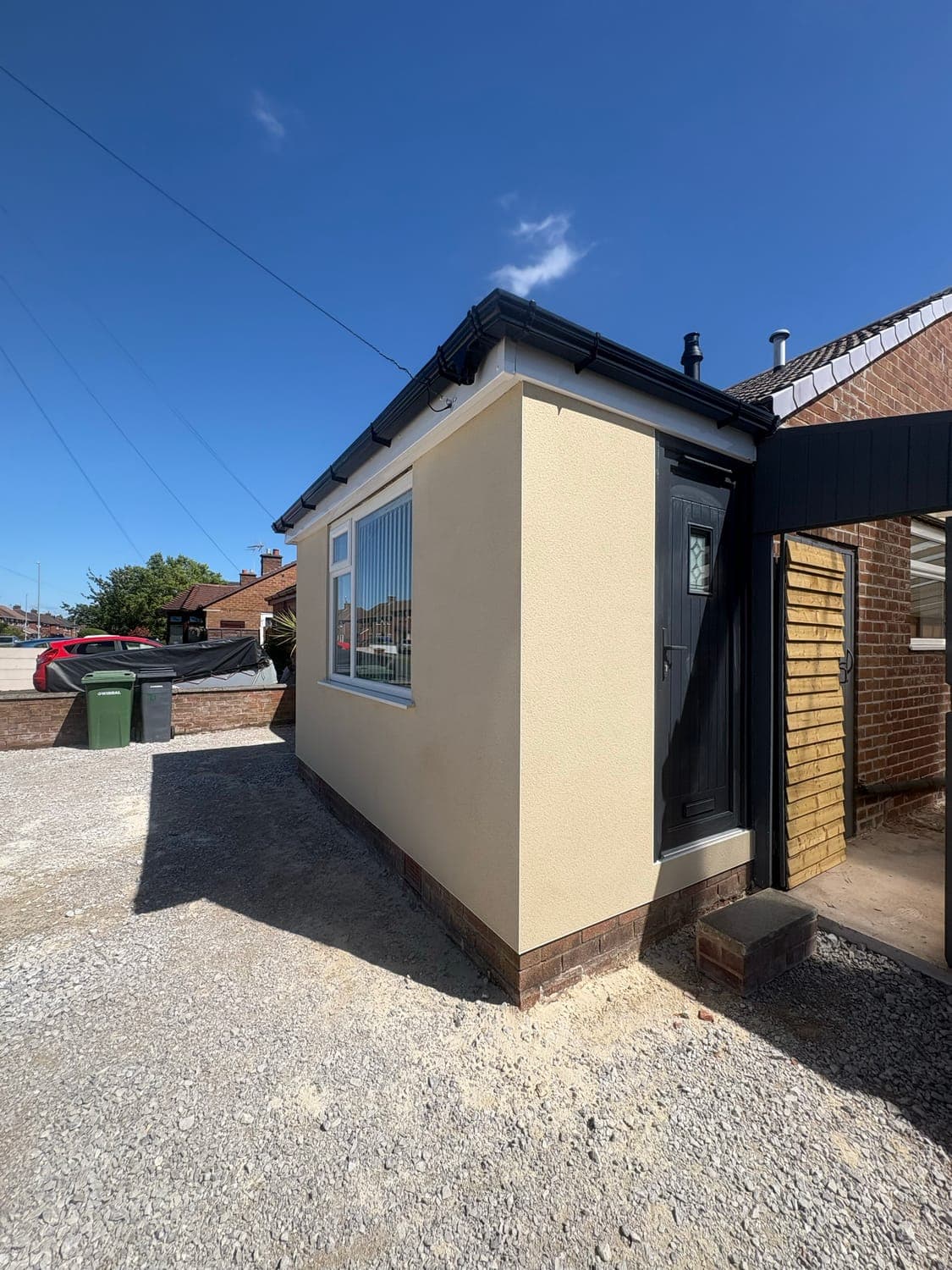
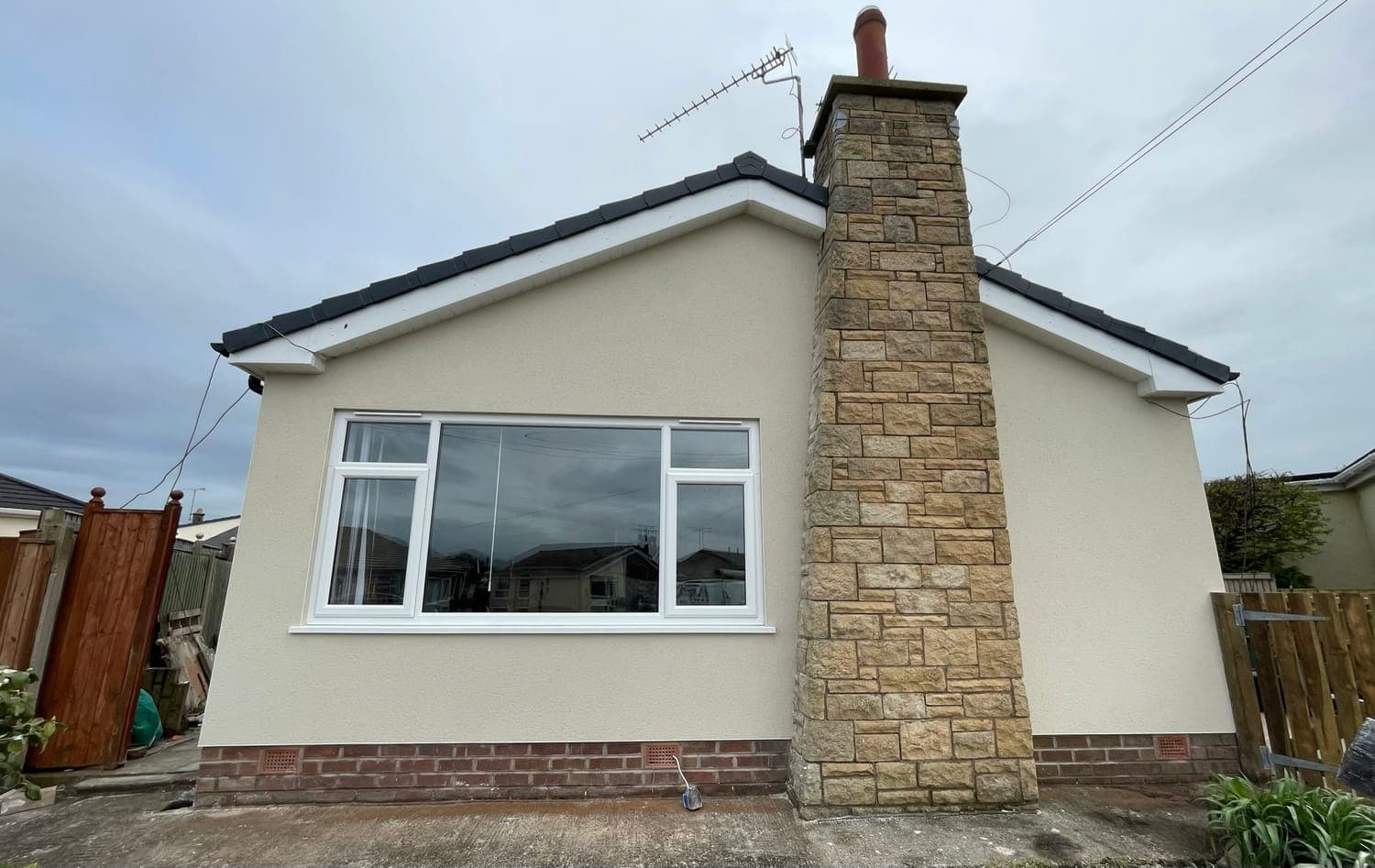
No paint film to flake, fade or need redoing. A knock shows the same colour underneath rather than a bare patch.
One application rather than three separate coats, which means less time on site and a shorter scaffold hire than a traditional render.
A thick, dense cement-based finish that stands up well to knocks and to weather at ground level.
Batch-controlled at the factory, so the colour and strength are the same across every elevation — no site-mixing variation.
Vapour-permeable, allowing moisture to move out of new blockwork as the building dries rather than trapping it in.
The scraped texture is uniform and understated. It sits well on modern architecture and on traditional detailing alike.
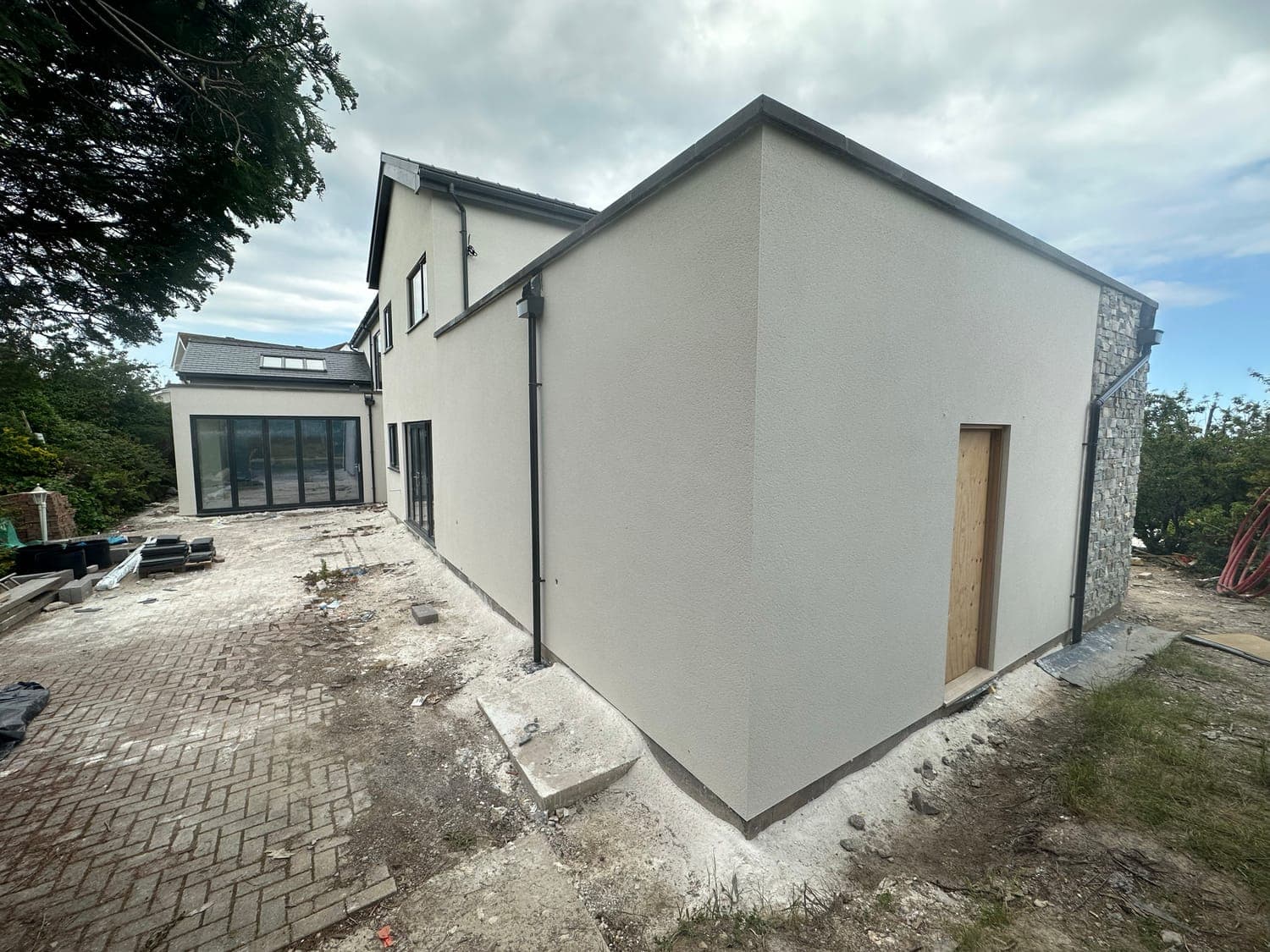
The same four stages on every job, so you always know what happens next and when.
We check the substrate is suitable, agree the colour and texture, and issue a detailed written quotation naming the exact system to be used.
Scaffold up, openings and ground protected, then bell cast, corner and stop beads are set out true — this is what gives the finished elevation its clean lines.
The render is applied in two passes on the same day to full thickness, then ruled off flat and left to cure.
Once it reaches the right firmness the surface is scraped back by hand to an even texture, beads are cleaned off and the site is left tidy.
What we quote, and what we install. If anything here needs adapting to your property, we'll set that out in writing before we start.
Rated 9.94/10 from 55 verified Checkatrade reviews. These are the ones about this kind of work, copied across word for word.
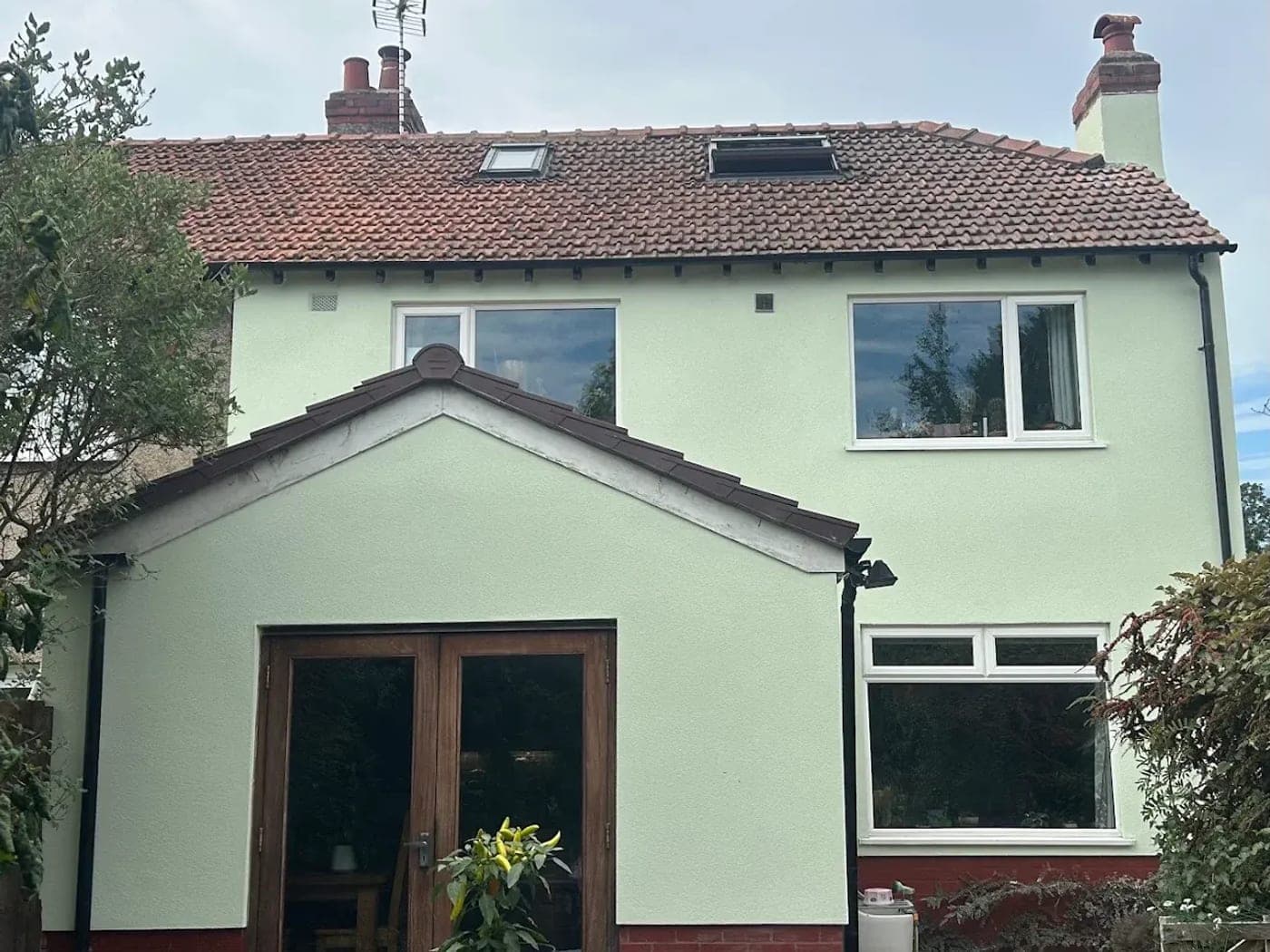
“Adam and his team Declan, Rob and Jackson are indeed a rare find. We cannot rate these guys highly enough. As well as their work being first class and top rate, they have a fabulous attention to detail…”
“Brilliant company. Prompt, clean & very professional. I was kept updated at all times. Work was carried out to a very high standard and was left spotless. 5* service.”
“After using this company for the first time to do some Rendering to the front and side of my house and plastering to my ceiling and walls I can honestly say it has been a pleasure having these guys do some work for me…”
The questions we're asked most often — answered straight, including where the honest answer is 'it depends'.
Monocouche is a thick (15–20mm), through-coloured cement render scraped back by hand. Silicone is a thin-coat system (around 1.5mm) over a mesh-reinforced basecoat. Monocouche is harder and more traditional; silicone is more flexible and more water-repellent. For new blockwork we usually recommend monocouche. For re-rendering an existing house, usually silicone.
Generally no. Monocouche is designed to bond to bare masonry, not to sit on top of an existing render. If you're re-rendering, either the old render comes off first or a thin-coat silicone system is the more sensible route. We'll advise honestly once we've seen the property.
It can develop fine shrinkage cracking if it's applied too thin, in the wrong weather, or without movement joints where the structure needs them. Applied to specification with the beads and joints set out properly, it performs very well. Most of the cracked monocouche we're called out to look at comes down to detailing that was skipped.
No — that's the point of it. The colour is through the full thickness. Some owners choose to paint it years later for a colour change, but nothing about the system requires it.
New blockwork needs time to dry and to complete most of its initial shrinkage — usually a few weeks depending on the season and the weather. Rendering too early is one of the more common causes of cracking, so we'd rather wait than rush it.
We can get close using the manufacturer colour range, and we'll always get physical samples to you first. An exact match to weathered render is rarely achievable — being upfront about that at quotation stage saves disappointment at the end.
We carry out monocouche render work throughout Cheshire, South Manchester, the Wirral, Liverpool, Wigan, Chester and North Wales — including:
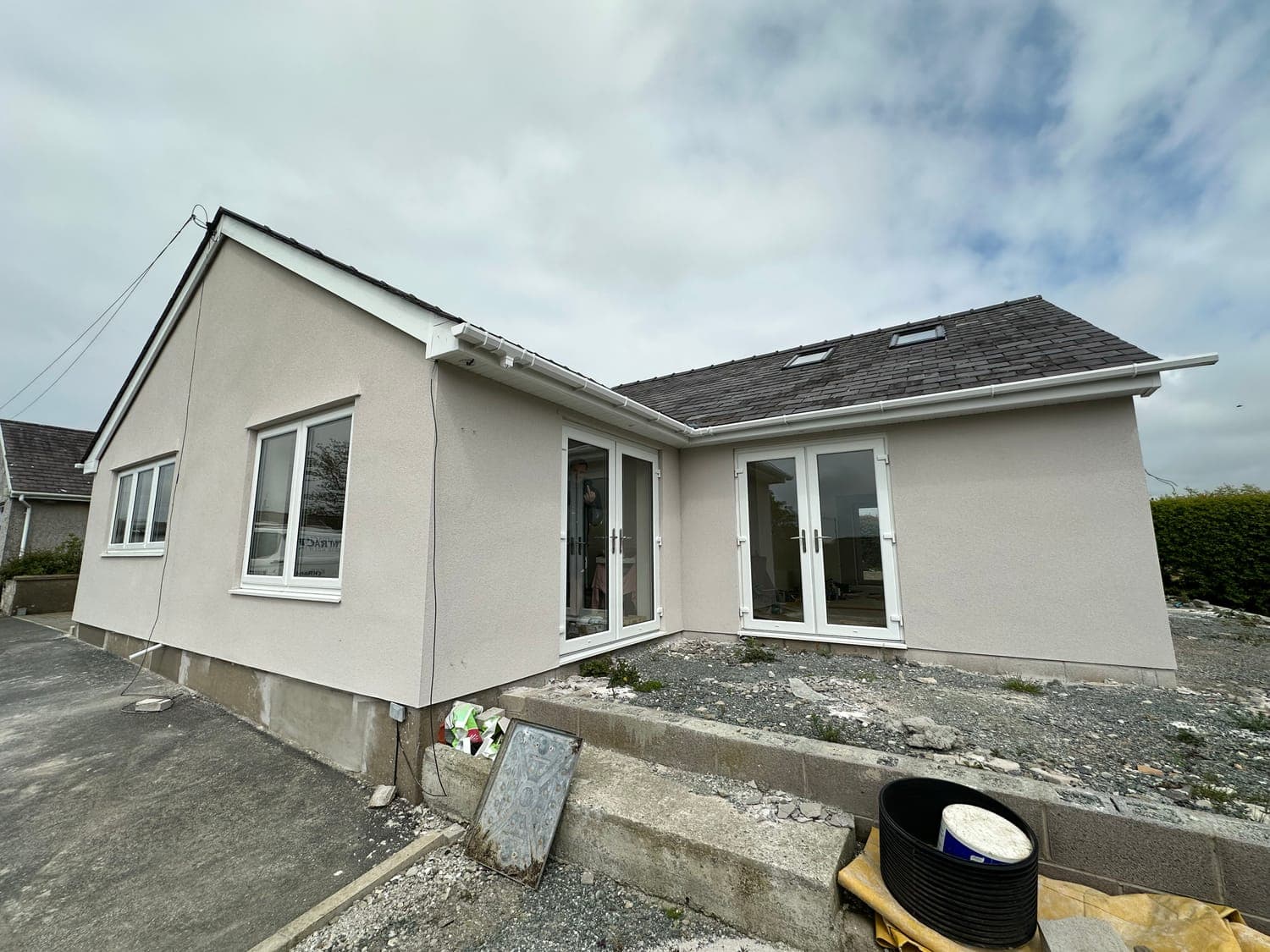
A flexible, water-repellent thin-coat system that keeps its colour and stays cleaner for longer. Our most popular finish for re-rendering existing homes across Cheshire and South Manchester.
Read more →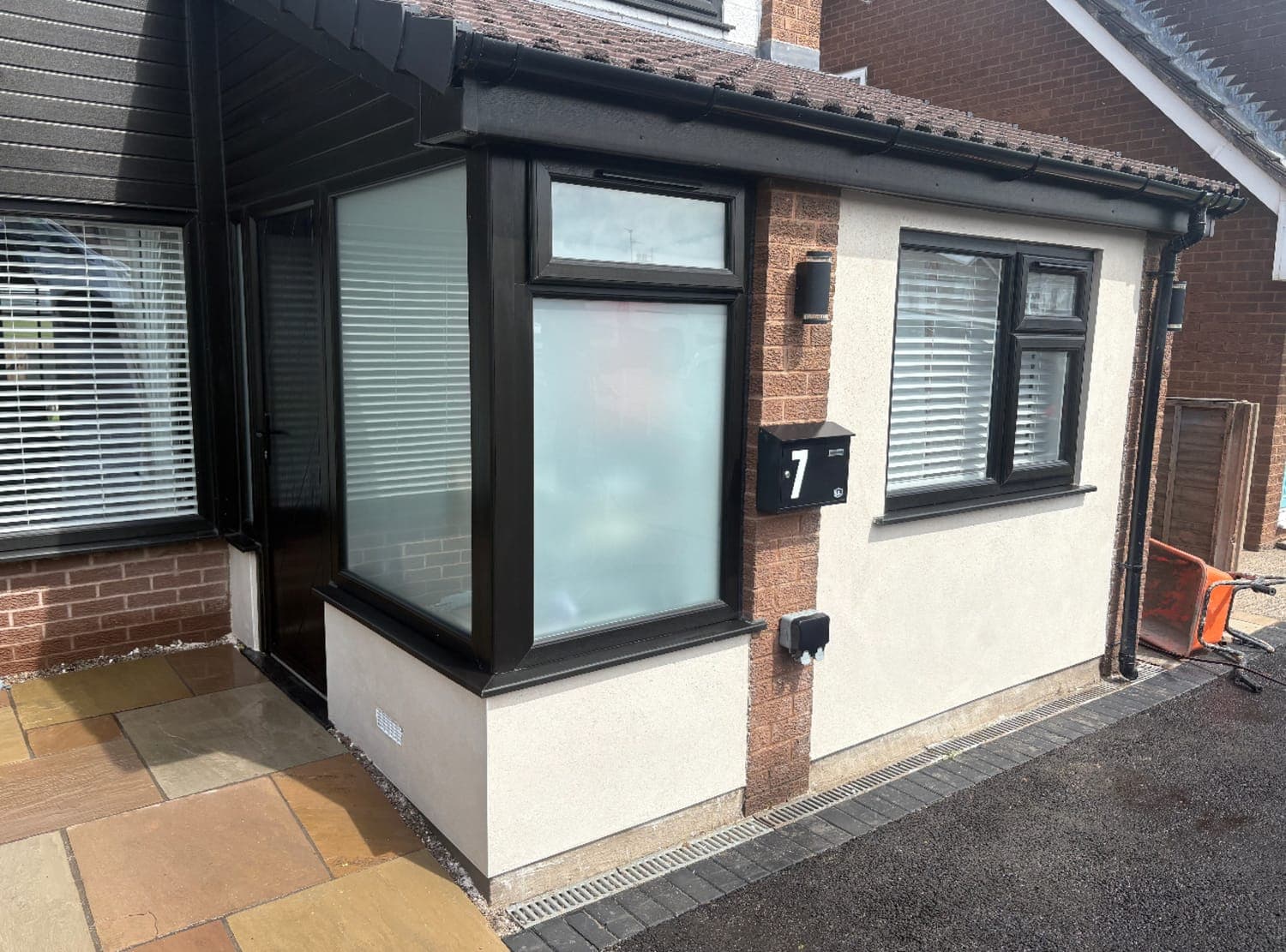
Hand-applied sand and cement rendering, floated flat for a clean, timeless finish. The right choice for period properties, patch repairs and anywhere the elevation is going to be painted.
Read more →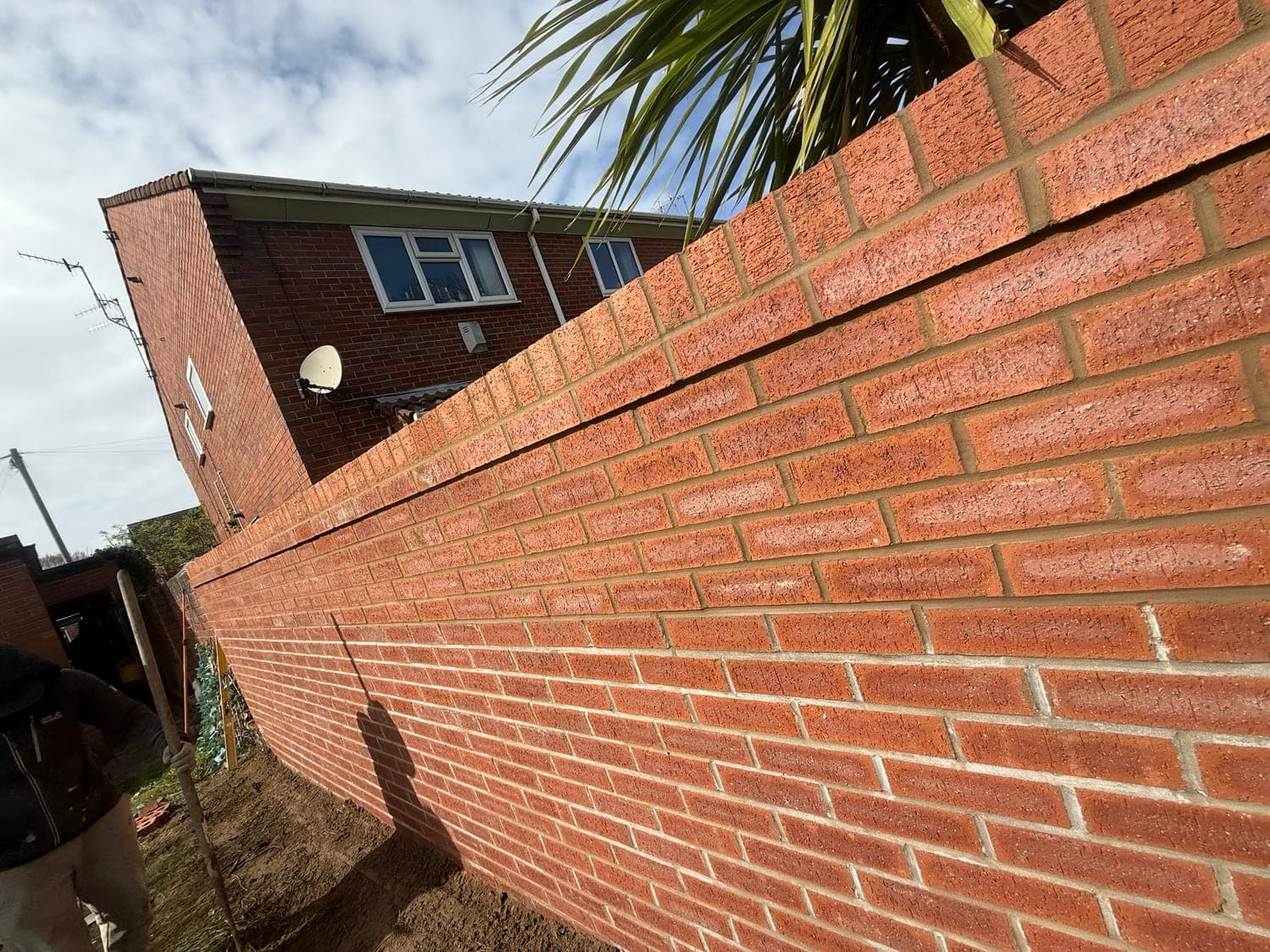
Boundary walls, garden and retaining walls, brick entrance pillars and extension brick and blockwork — built on proper foundations and finished with the pointing and detailing that make the difference.
Read more →Send us a few details and any photos you have of the property. We'll come back to you with honest advice on the right system and a detailed written quotation.
Free site visit · no obligationWe reply within one working day